Understanding Your Space and Book Collection
Before deciding where to put your books, take a close look at your home and the size of your collection. The best storage solution will depend on how much space you have, how often you use your books, and the style you want to create.
Here are a few things to consider:
- Available Space: A small apartment may require compact storage ideas, while a larger home gives you more freedom to create dedicated book displays.
- Natural Light: Keep books away from prolonged direct sunlight because it can fade covers and gradually damage pages and spines.
- Existing Furniture: Look around your home for furniture that could serve a second purpose as book storage.
- Decor Style: Think about whether you want your books to blend into your existing decor or become a decorative feature of the room.
- Book Usage: Keep books you read regularly somewhere easy to reach, while less frequently used titles can go into less accessible storage areas.
Use Your Living Room Space
The living room is one of the easiest places to incorporate books into your home. Instead of hiding your collection away, use books as part of your decor and make them easy for you and your guests to enjoy.
1. Coffee Table Books
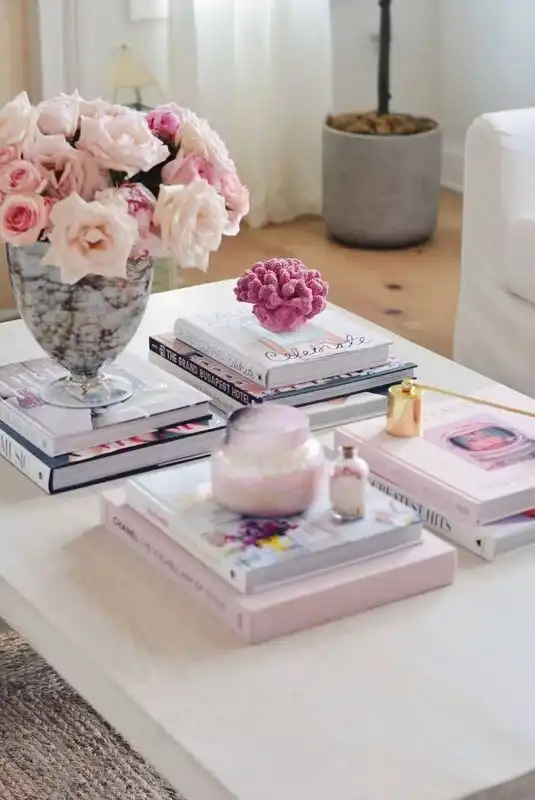
If you have a coffee table, use it as a simple display area for some of your favorite books.
Create a small stack of books with attractive covers and place it where it can be easily reached. You can add a candle, vase, or small decorative object on top to create a stylish arrangement.
This approach works especially well with large hardcover books that can double as decorative pieces.
2. Window Sills
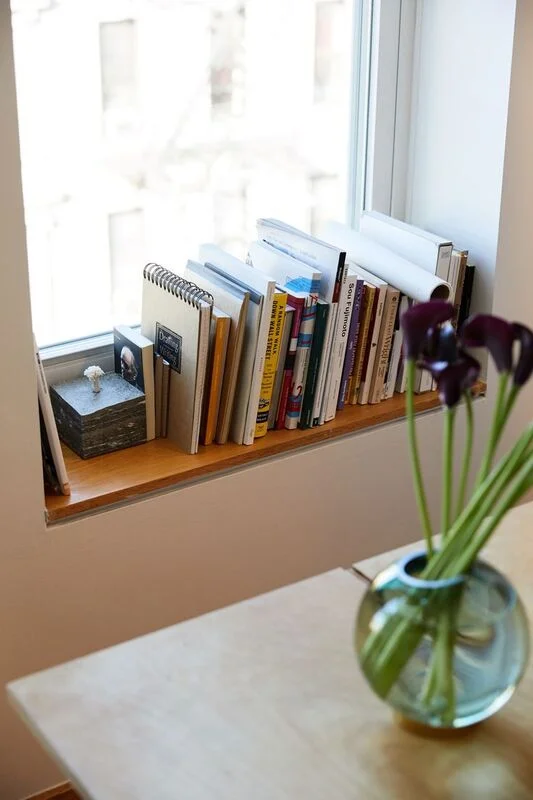
A wide window sill can provide an unexpected place to keep a small selection of books.
Arrange a few favorite titles along the sill to create a cozy reading atmosphere. This works particularly well beside a reading chair or small seating area.
However, be careful with direct sunlight. Too much exposure can cause book covers to fade and may damage the pages over time. Curtains, blinds, or UV-filtering window treatments can help protect your collection.
3. Media Console

Your media console can do more than hold a television and electronics. Use some of its open areas to store books alongside decorative accessories.
Mixing books with plants, framed photographs, vases, or other objects can create a balanced display instead of making the area look like a traditional bookcase.
Arrange the books in small groups rather than filling every available space.
4. Console Tables
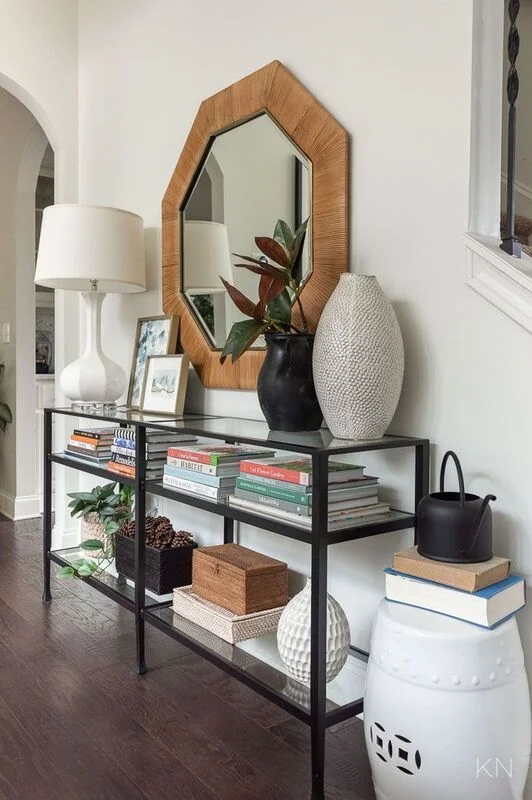
Console tables are another useful spot for displaying a smaller book collection.
Place a few books in neat horizontal stacks or combine them with decorative objects. This works especially well in entryways, living rooms, or behind sofas.
It is a simple way to keep books visible without taking up much additional floor space.
Get Creative with Vertical Space
When floor and tabletop space are limited, look upward. Vertical storage can help you make use of empty wall areas without taking up valuable floor space.
1. Wall-Mounted Shelves
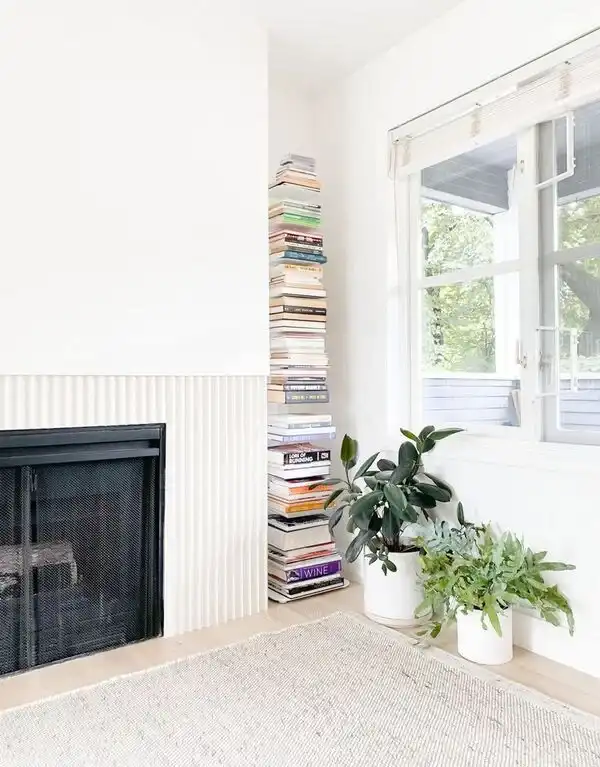
Wall-mounted shelves can turn an empty wall into a practical and attractive book display.
Install several shelves at different heights and arrange your books by size, color, genre, or a combination of the three. You can leave some open space between groups of books to make the display feel lighter.
This is especially useful in small rooms where traditional bookcases may take up too much floor space.
2. Room Divider
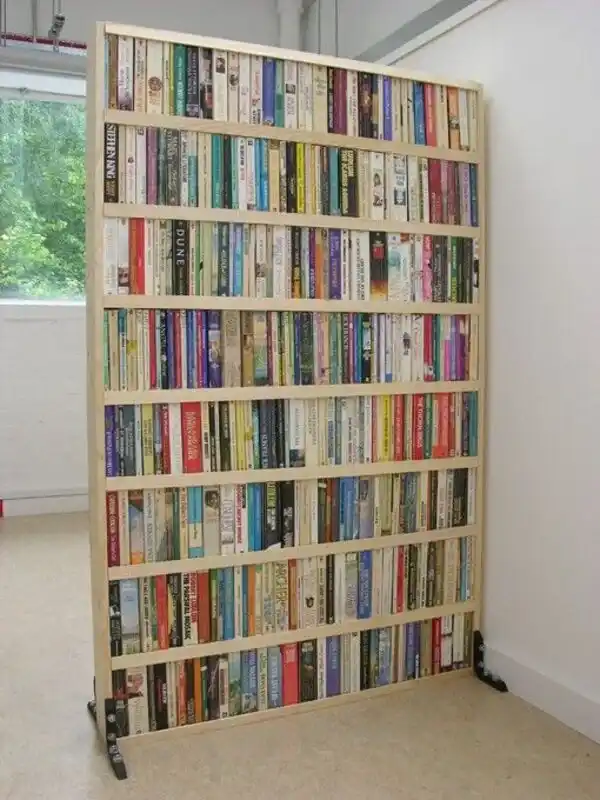
A room divider can serve two purposes when you choose a design with built-in shelving.
Use it to separate areas in an open-plan room while also creating storage for your books. It can help define a reading corner, dining area, or workspace without requiring a permanent wall.
Choose a style that complements your existing furniture so the storage feels like a natural part of the room.
Unused Space
Sometimes the best book storage locations are the spaces you rarely notice.
Look around your home for empty corners, narrow areas, and overlooked spaces that could accommodate a few books. These areas can become surprisingly useful with a little creativity.
1. Floating Shelves

Floating shelves are ideal for turning unused wall space into book storage.
Place them in empty corners, above a desk, beside a reading chair, or along a narrow wall. You can use a few shelves to create a compact mini-library without adding bulky furniture.
Mix books with small decorative items to make the display feel intentional.
2. Use Hallways
Hallways are often left completely empty, but they can provide valuable storage opportunities.
If the hallway is wide enough, narrow shelves can hold books without interfering with the walkway. You can also create a small stack of books in an unused corner and place a decorative object beside it.
Just make sure the arrangement does not create a tripping hazard or make the hallway difficult to navigate.
3. Staircase Book Storage

The space underneath a staircase can become a clever storage area for books.
Depending on the layout, you can add small shelves, baskets, or compartments underneath the stairs. This makes use of an area that might otherwise remain empty.
For a more casual decorative approach, a few carefully arranged books can also be displayed near the staircase, provided they are positioned safely and do not interfere with movement.
Repurpose and Upcycle
You don’t always need to buy new storage furniture. Items you already own—or pieces you can find secondhand—can be transformed into creative book storage.
1. Defunct Fireplace
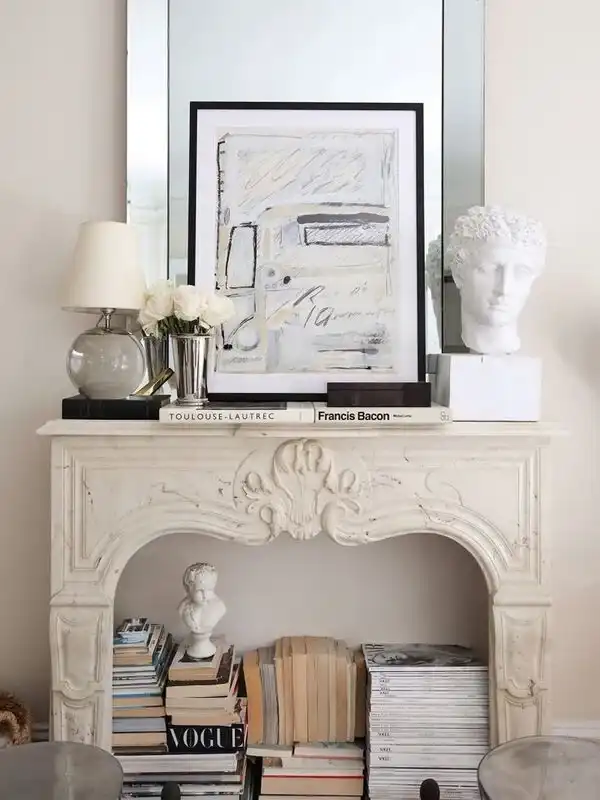
An unused fireplace can become an attractive book display.
Instead of leaving the empty fireplace opening unused, stack books inside it in different heights and orientations. This can create a cozy reading-inspired feature while making use of an otherwise forgotten space.
Before using the area, make sure the fireplace is completely inactive and safe for storage.
2. Wooden Crates

Wooden crates are inexpensive and versatile storage pieces.
Stack several crates vertically or arrange them horizontally to create a simple open storage system. You can leave them in their natural finish for a rustic appearance or paint them to match your room.
They are particularly useful when you want flexible storage that can be rearranged later.
3. Crawl Space

A crawl space or other low-access storage area can be useful for books you rarely need.
If you choose this option, make sure the area is dry, clean, and protected from moisture, pests, and excessive heat. Store books carefully so they remain in good condition.
This is better suited to older or less frequently read books than titles you reach for every day.
4. Portable Book Baskets

Book baskets are a practical choice if you like reading in different rooms.
Keep a basket beside your sofa, bed, or reading chair and fill it with your current books. When you move to another room, you can simply carry the basket with you.
They are also convenient for organizing children’s books and keeping frequently used titles within easy reach.
5. Book Bins for Kids
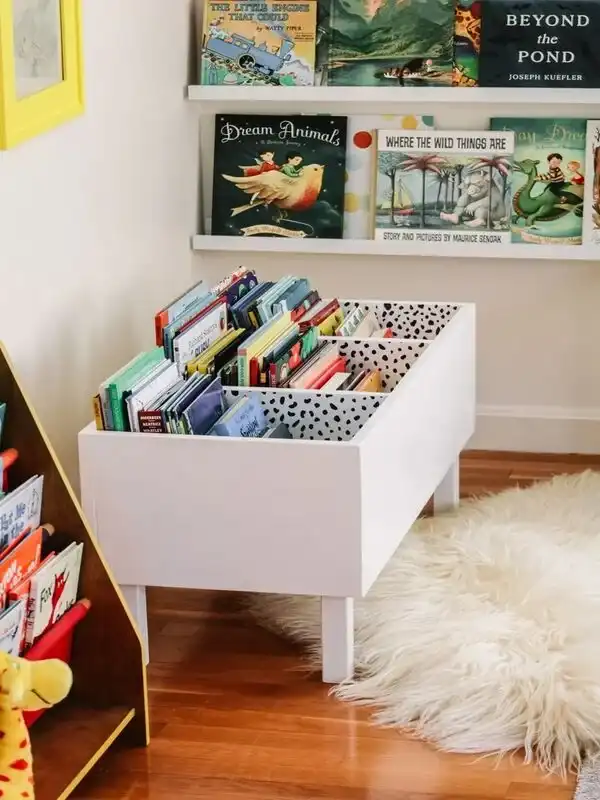
Colorful book bins can make children’s books easier to organize while encouraging kids to choose books independently.
Use low, accessible containers so children can see the covers and select their own reading material. Grouping books into a few manageable bins also makes cleanup much easier.
Choose sturdy bins that can handle frequent use and fit comfortably into the child’s room or play area.
Use Furniture Creatively
Your furniture can often provide more storage potential than you realize. With a little creativity, everyday pieces can become useful places to keep and display books.
1. Bar Cart
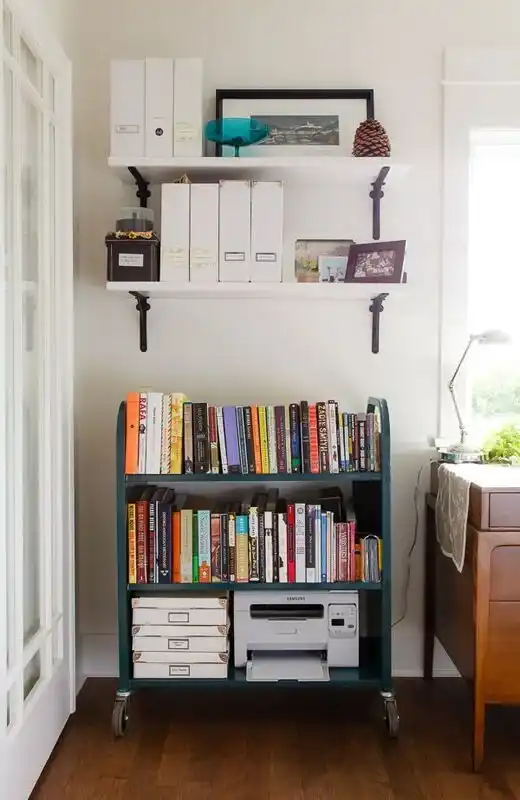
A bar cart can be transformed into a mobile book station.
Use its different levels to organize books by category or reading status. You can keep current reads on the top level and other books underneath.
The wheels make it especially convenient because you can move your collection from one part of the room to another when needed.
2. Fireplace Mantel

A fireplace mantel can provide an elegant place to display a small selection of books.
Arrange books in short stacks and combine them with decorative pieces such as vases, candles, artwork, or plants. This keeps the display from looking too uniform.
Before adding books, make sure the mantel is sturdy enough to support their weight and keep them safely away from heat if the fireplace is in use.
3. Under-Bed Storage

The space beneath your bed is perfect for books that you don’t need to access frequently.
Use flat storage boxes or containers to protect the books from dust and keep them organized. This option is particularly useful in small bedrooms where floor space is limited.
Avoid storing books in areas where moisture or excessive heat could damage them.
4. Window Seat

If your home has a window seat, consider using the space underneath it for book storage.
Built-in compartments or baskets can turn the area into a combination reading nook and mini-library. Keep your favorite titles nearby so you can easily grab a book whenever you want to relax.
This is a particularly charming solution for bedrooms, living rooms, and dedicated reading spaces.
Creative Displays
Book storage doesn’t have to look purely practical. Your collection can also become an important part of your home’s personality and decor.
1. Short Stacks of Books
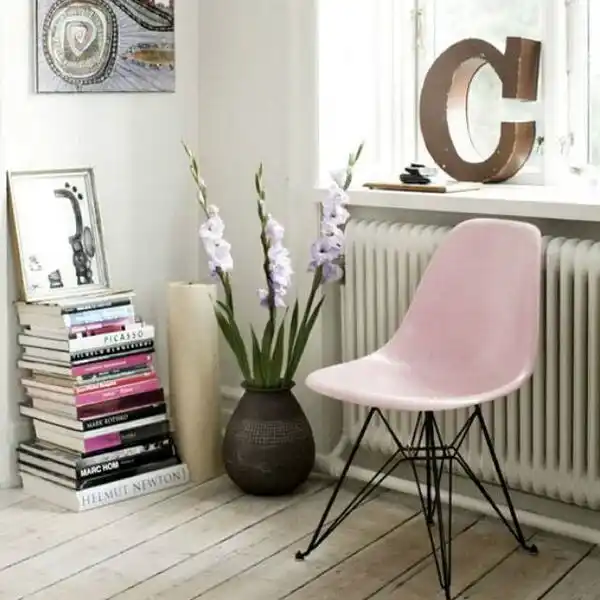
Instead of arranging every book in one long row, create several small stacks around your home.
Place them on side tables, consoles, coffee tables, or empty corners. Vary the height of each stack to create visual interest.
This approach makes your books easy to access while giving your room a more relaxed and collected appearance.
2. Books as a Nightstand
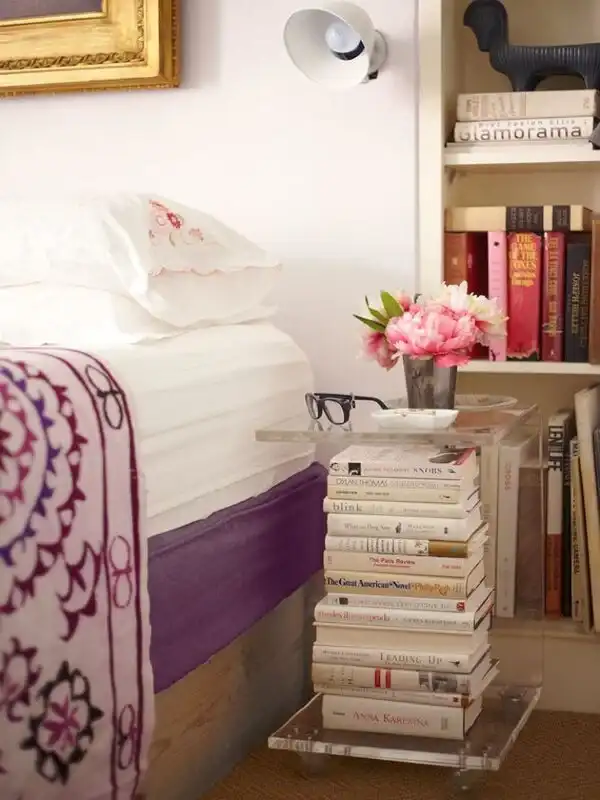
A carefully arranged stack of books can even serve as a temporary nightstand.
Choose sturdy books and stack them securely beside your bed. You can place a lamp, small tray, or decorative item on top if the arrangement is stable.
Books with attractive covers can also add color and personality to the bedroom.
3. Decorative Elements

Combine books with other decorative pieces to create displays that feel intentional.
Plants, candles, artwork, vases, photographs, and small objects can be arranged alongside books on tables, mantels, shelves, or other surfaces.
The key is to leave some breathing room instead of filling every inch with objects. A balanced arrangement will make both your books and decor stand out.
Know How to Organize Your Book Collection
Once you have decided where your books will live, organizing them properly will make the collection easier to maintain.
Here are some simple approaches:
- Sort by theme or genre: Group similar books together by genre, subject, author, or theme so you can find what you’re looking for more easily.
- Mix vertical and horizontal arrangements: Keep some books upright while stacking others horizontally to create variety and make better use of different spaces.
- Create intentional displays: Combine books with plants, vases, artwork, or other accessories to make your storage part of the room’s decor.
- Use floating shelves: Take advantage of wall space with floating shelves when floor space is limited.
- Use window sills and ledges carefully: These areas can be useful for small collections, but protect books from prolonged direct sunlight.
- Integrate books with furniture: Coffee tables, media consoles, bar carts, mantels, and other furniture can all provide additional storage.
- Repurpose old items: Wooden crates, baskets, unused furniture, and other household pieces can become creative storage solutions.
- Maintain your collection: Dust books regularly and keep them away from moisture, extreme temperatures, and prolonged sunlight.
How to Use Books to Personalize Your Space
Books can tell people a lot about your interests and personality, so don’t be afraid to make them part of your home’s overall design.
- Display your favorites: Give your most-loved books a visible spot where you can enjoy seeing them every day.
- Choose interesting bookends: Decorative bookends can add personality while keeping books upright and organized.
- Rotate your displays: Change the books you display from time to time to give your room a fresh look and bring different titles back into focus.
- Create a cozy reading nook: Place a comfortable chair, small table, lamp, and a selection of books together to create a relaxing reading corner.
Leave a Reply